Final Walkthrough Checklist: What Buyers Need to Check Before Closing

What Is a Final Walkthrough In Real Estate?
A final walkthrough is exactly what it sounds like: the last time you, as the buyer, get to walk through the home before it's officially yours. It usually happens within 24 to 48 hours of closing, and the whole point is simple — you're making sure the house is in the same condition it was in when you agreed to buy it.
By this point in the homebuying process, most of the big decisions have already been made. The home inspection happened weeks earlier, and if any issues came up, they were likely dealt with through negotiations or repair agreements between you and the seller. So the final walkthrough isn't the time to bring up a new concern about the roof or ask for a lower price. Think of it more as a confirmation step than a negotiation one — you're checking that the repairs were actually done, and that nothing has changed since your last visit.
That said, if you do notice something wrong during the walkthrough, it doesn't mean you're stuck. We'll get into what your options look like a little later on.
For now, the main thing to remember is this: the final walkthrough is your chance to catch problems before you sign anything at closing, not after. Once you've closed on the home, undoing an issue becomes a lot more complicated.
Why the Final Walkthrough Matters
It's easy to think of the final walkthrough as just another box to check before closing, but it's more important than that. This step exists to protect you as the buyer, and skipping it — or rushing through it — can end up costing you down the line.
Here's why it matters. Once closing happens, the home is legally yours, along with whatever condition it's in at that point. If a repair the seller promised was never actually done, or if something breaks between your last visit and moving day, the final walkthrough is your chance to catch it while you still have leverage. After closing, fixing those same issues usually falls on you, both in terms of time and money.
Specifically, the walkthrough gives you a chance to confirm three things. First, that any repairs the seller agreed to make were actually completed, and completed properly, not just patched up to look finished. Second, that no new damage has happened since your last visit, whether that's from movers, weather, or normal wear and tear. And third, that everything included in the sale, like appliances, light fixtures, or window treatments, is still there and hasn't been swapped out or removed.
None of this is about being difficult or overly cautious. It's simply making sure the home you're paying for is the home you were promised.
What to Check: The Final Walkthrough Checklist
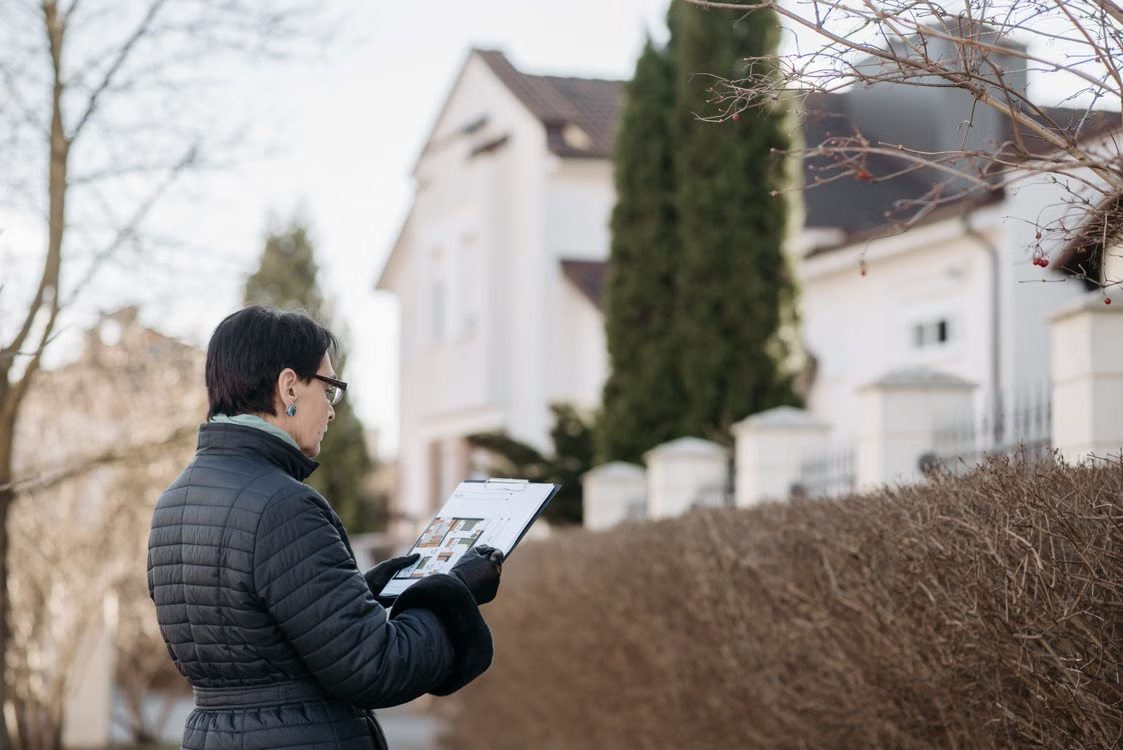
This is the part of the walkthrough where you actually go room to room and check things off. It helps to bring a checklist with you (or just this list on your phone) so nothing slips through the cracks while you're focused on everything else going on with the move.
Here's what to look for:
Final Walkthrough Checklist
Everything to check before you close on your new home
Repairs completed per the agreement
If the seller agreed to fix anything after the inspection, like a leaky faucet or a cracked window, check that the work was actually done. It's also worth asking for receipts or documentation if you haven't already gotten them, just in case the repair needs attention again down the road.
Appliances and systems working
Turn things on. Run the HVAC system, test the water pressure, flip the light switches, and check that outlets work. If the home includes a dishwasher, oven, or washer and dryer, run a quick cycle if you can. It's much easier to flag a broken appliance now than after you've moved in.
No new damage since your last visit
Walk through with fresh eyes and look at walls, floors, and ceilings for anything that wasn't there before, like scuffs, dents, or water stains. Damage sometimes happens during move-out, whether it's from furniture being dragged out or something being knocked loose.
All included items are still there
Anything listed in the purchase agreement, like light fixtures, window treatments, or a shed in the backyard, should still be in the home. It's not unheard of for sellers to accidentally (or not so accidentally) take something with them that was supposed to stay.
Utilities are on and functioning
Make sure the water, electricity, and gas are all working. Sellers sometimes shut things off before moving out, so this is worth double-checking rather than assuming everything's been left as is.
No leftover debris or personal belongings
Unless you specifically agreed the seller could leave certain items behind, the home should be empty and reasonably clean. Trash, old furniture, or forgotten belongings can become your problem to deal with if they're not addressed before closing.
Who Should Be There
At minimum, it's just you and your agent. The seller and their agent typically don't need to be there, and in most cases, they won't be. If the home is still occupied, it's common (and often preferred) for the seller to arrange for the walkthrough to happen while they're out, so you can move through the space freely.
What to Bring
A few small things can make the walkthrough go a lot smoother:
- A copy of the purchase agreement, so you can check off exactly what was promised
- The home inspection report, especially if repairs were agreed to
- Any repair receipts or invoices the seller has already sent over
- Your phone, for taking photos or videos of anything that looks off
- An outlet tester or a small tool kit, if you want to check things more thoroughly (not required, but some buyers like the extra peace of mind)
Questions Buyers Often Have
Is the final walkthrough required?
Not legally, in most cases. It's not typically written into state law, but it is standard practice and almost always included in the purchase agreement itself. Skipping it isn't something most agents would recommend, since it's your last opportunity to catch a problem before the home is officially yours.
Can the buyer back out at this point?
Yes. Backing out this close to closing usually means there's a serious issue, like major new damage or repairs that were never completed. At this stage, buyers typically don't cancel the deal entirely; more often, the issue gets resolved through a short delay, a credit, or an agreement to fix things after closing. If this is not sorted out then the buyer can back out.
What if something's wrong — does closing get delayed?
It depends on how serious the issue is. Minor things, like a light bulb that's out, usually won't hold anything up. Bigger issues, like a broken HVAC system or repairs that were never done, might mean closing gets pushed back a day or two, or the seller agrees to cover the cost after closing through an escrow holdback.
What if the seller hasn't fully moved out yet?
This happens more often than people expect. If the home isn't fully vacated by the walkthrough, it's worth flagging right away so your agent can follow up with the seller's agent before closing, rather than assuming it'll sort itself out.
Find Your Place by the Water
Wake up to lake views, enjoy peaceful sunsets, and live the lifestyle you’ve always imagined. Explore beautiful homes that capture the spirit of the lakefront dream.
View Our Lakefront ListingsRecent Blog

When a Real Estate Deal Falls Through: Common Breach of Contract Scenarios Explained
A breach of contract happens when someone backs out of a real estate deal, or fails to do something they agreed to do, without a legal reason to do so.
Read MoreWhen a Real Estate Deal Falls Through: Common Breach of Contract Scenarios Explained
Why Are Some Homes More Expensive in the Same Area?
The reasons usually come down to exact location, views, lot details, and property condition. In places where the local market is shaped by something special, like a lake, those differences can be even bigger than usual.
Read MoreWhy Are Some Homes More Expensive in the Same Area?
How to Win a Bidding War Without Overpaying: Escalation Clauses
An escalation clause is basically an automatic bidding tool for your home offer.
Read MoreHow to Win a Bidding War Without Overpaying: Escalation Clauses
Can I Buy a House With Bad Credit? Here's What You Need to Know
The good news is that bad credit doesn't automatically shut the door on homeownership, it just means you'll likely need to take a slightly different path to get there.
Read MoreCan I Buy a House With Bad Credit? Here's What You Need to Know
Do You Have to Sign a Buyer Broker Agreement in Iowa?
Yes, it is. Since July 1, 2024, Iowa law has required buyers to sign a written agreement with their real estate agent before that agent shows them a property.
Read MoreDo You Have to Sign a Buyer Broker Agreement in Iowa?
Can I Buy or Make an Offer on a House Without Earnest Money?
If you're putting together an offer on a house and wondering whether you can skip the earnest money, the short answer is yes, technically. There's no law that says you have to include it. But in practice, an offer without earnest money is almost always turned down.
Read MoreCan I Buy or Make an Offer on a House Without Earnest Money?
Average Realtor Commission in Iowa: What Sellers and Buyers Should Know in 2026
You can expect to pay somewhere in the range of 5.7% to 5.9% of your home's sale price in total realtor commission.
Read MoreAverage Realtor Commission in Iowa: What Sellers and Buyers Should Know in 2026
How to Make an Offer on a House: A Step-by-Step Guide
Making an offer on a house involves submitting a written proposal that includes your price and purchase terms for the seller to review.
Read MoreHow to Make an Offer on a House: A Step-by-Step Guide
Can I Back Out From a Purchase Agreement?
Yes, you can back out from a purchase agreement, but what happens next depends on where you are in the process.
Read MoreCan I Back Out From a Purchase Agreement?
Are Homes Usually Inspected Before Listing?
No, homes are not usually inspected before listing. In most real estate transactions, the home inspection takes place after a buyer submits an offer and the seller accepts it. At that point, the buyer typically hires a professional inspector to evaluate the property's condition and identify any issues that may affect the purchase.
Read MoreAre Homes Usually Inspected Before Listing?
Can I Make an Offer Without a Real Estate Agent in Iowa?
The answer is yes, you can make an offer on a house without a real estate agent in Iowa. While many buyers choose to work with an agent during the home buying process, state law does not require you to have one when submitting an offer. This means you can represent yourself and communicate directly with the seller or the seller's representative if you decide to do so.
Read MoreCan I Make an Offer Without a Real Estate Agent in Iowa?
What Is the 3-3-3 Rule in Real Estate? A Guide to Homebuying
The 3-3-3 rule means having three months of emergency savings, saving an additional three months' worth of mortgage payments, and getting three property evaluations before buying a home.
Read MoreWhat Is the 3-3-3 Rule in Real Estate? A Guide to Homebuying