How Much Does It Cost to Remodel a House?

One of the most basic questions you can ask yourself whenever you plan on remodelling your house would be: how much does remodelling cost? Because the reason is simple: you absolutely do not want to spend more than you should, and most likely people will choose to spend as little as possible. Which is wrong.
However, prices of the raw materials and especially labor have never been the type of commodity that could have a rollback in price/rate. And now, you are left to wonder whether you could cut corners to save money and time. However, another question sticks to the back of your mind, “Is it really okay to cut corners?” Well, if you have to ask.
This article will tell you how much you need to spend that justifies the quality and efficiency of the work. It is very important to plan ahead rather than finding it out along the way. If you’ve ever searched for things like “home renovation cost” you’re in the right place.
Renovation vs. Remodel: What’s the Difference?
The terms “renovation” and “remodel” are two things that most people are confused about because they are easily misunderstood. However, the overall meaning is just the same between the two with just a slight difference on WHAT PART exaclty you want your house to be changed.
A renovation is improving a part of a building or house that had existed beforehand. For example, a kitchen built in the 80s gets an update or upgrade to the latest kitchen design, which serves as its improvement.
A remodel is tearing down a part of a house to give it a new structure from the old one, which usually makes more room. One example of this would be tearing down the walls of the kitchen to make it bigger. Making even more space.
From the outside, people may not notice the changes, but it doesn’t mean they are going to use only their eyes. People will immediately feel something is off or different. For homeowners planning to sell their homes, it is very important not to cut corners in doing remodels or renovations because basic things like lighting fixtures, Formica countertops, and hollow core doors will immediately tell them the house was built cheaply.
Average Home Renovation Costs in 2024
Now, the question that brought you here, “How much does it cost to remodel a house?”
According to Angi, the average home remodel cost falls between $19,485 and $88,363. For homes between 1,250 and 1,600 square feet, the average price lands at $52,251.
Source: Angi
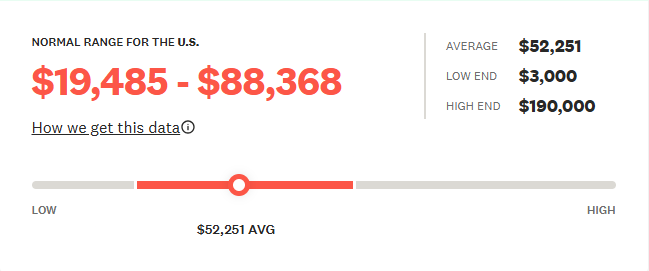
According also to the 2024 U.S. Houzz & Home Study, they said that costs have climbed over 60% since 2020. This simply means, from an economic standpoint, what you can afford 5 years ago is simply not enough to afford the raw materials needed for today.
Let’s break it down even further:
By Size of the Home
- Small homes (under 1,000 sq. ft.): $15,000 – $25,000
- Medium homes (1,000–2,000 sq. ft.): $28,000 – $115,000
- Large homes (2,000+ sq. ft.): $75,000 – $200,000+
Logically, the bigger the house, the higher the expected costs will be since there are more areas to cover and more things to replace.
By Scope of Work
- Cosmetic renovations are renovations that aim to improve the overall beauty of the home. This would include the painting, new flooring, and lights. This would typically range anywhere from $10,000 to $60,000 for a house as large as 1,000 square foot.
- Structural remodel would range anywhere from $15,000 (low-end) to $200,000 (high-end) because this will include tearing down walls, making changes to the plumbing, HVAC, etc.
Gut Remodel Costs
A gut remodel is the most expensive renovation you can get because it will strip your house to the bare structure, such as studs and frame. Basically rebuilding starting from the basic bare structure because the walls, flooring, and ceilings will be removed.
The home will be back to its bare bones, a gut renovation gives you a fresh start. But instead of spending on improvements, you spend on tearing the house down first, then on the improvements, which means it's more expensive. On average, gut remodels cost between $60 and $150 per square foot, depending on the location, materials, and labor costs in your area.
Here’s what that could look like:
- 1,200 sq. ft. home: $72,000 – $180,000
- 2,000 sq. ft. home: $120,000 – $300,000
So when is a gut remodel worth it?
If your house is relatively new, like somewhere in the age of 3 to 6 years, then there is no need for a gut remodel since major issues don’t show at these ages. However, you also need to consider how it is maintained. A poorly maintained 10-year-old house may need a remodel more than a well-maintained 50-year-old house.
The older the house, the more it needs to be remodelled because there will surely be structural issues such as a crack in the foundation. It could also have electrical and plumbing issues, which could potentially be harmful to the inhabitants if not addressed as soon as possible.
Room-by-Room Renovation Cost Breakdown
Not all home updates cost the same. Some rooms take more time, labor, and materials than others. Here’s what you can expect to spend depending on the space—and where quality details can really make a difference.
a. Interior Renovation
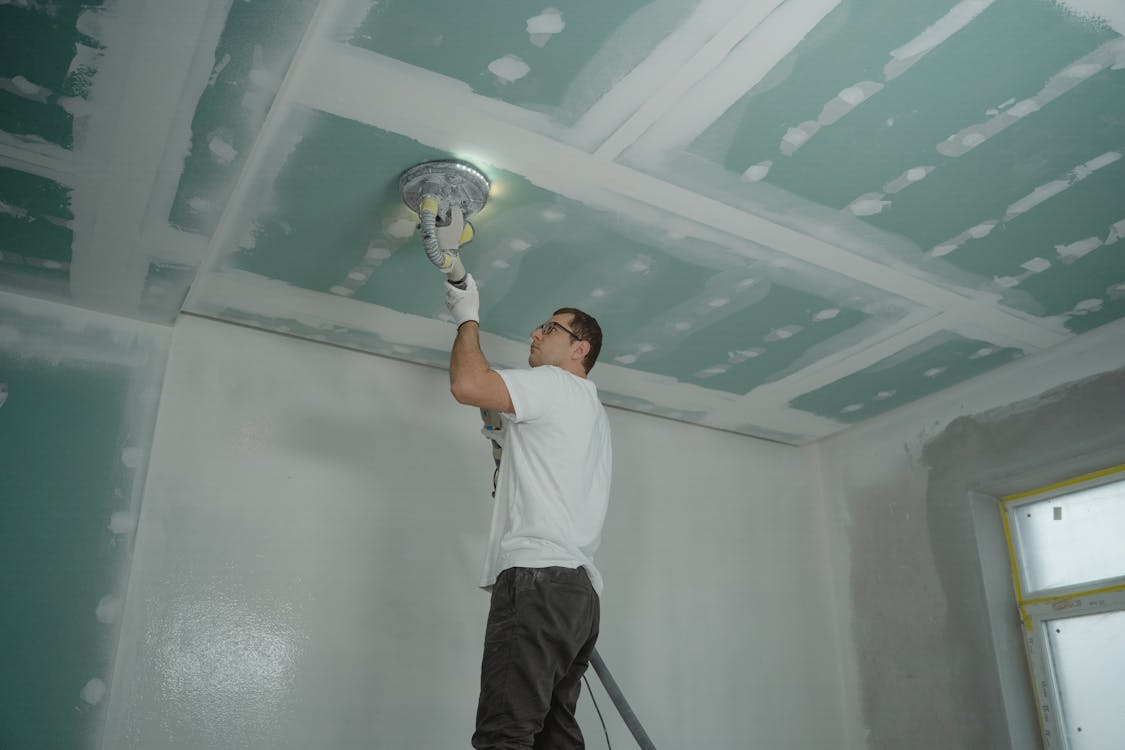
Interior updates are just as important as remodelling inside out because if you are to sell your house, the potential buyer must get the feeling or imagine themselves living in your home. Good paint, flooring and lighting can increase the chance of selling as soon as possible. If you are not also selling, then a good ambience will improve your mood living in your house.
Cost: $10–$60 per square foot, depending on finishes and labor.
Hardwood floors instead of laminate or soft-close drawers will tell buyers that it is built with care and quality, not rushed.
b. Kitchen Renovation
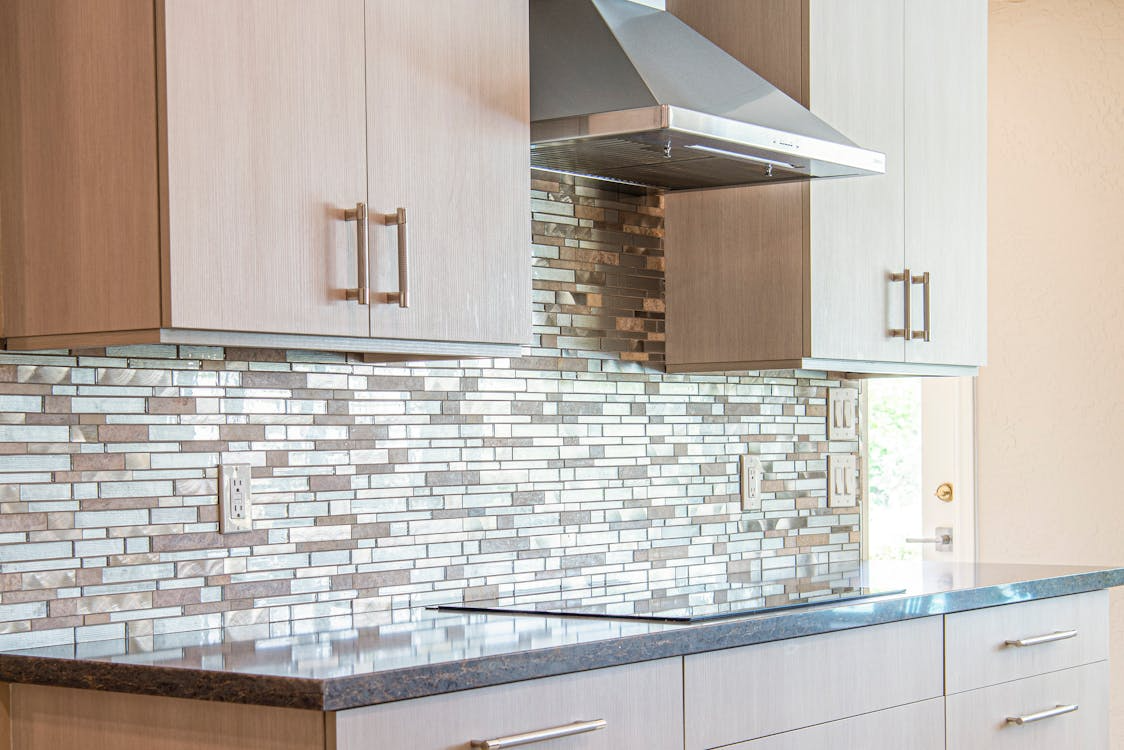
New cabinets, countertops, appliances, backsplash, and plumbing work. A kitchen serves as the life of your house because people feed themselves every day, and an updated kitchen with high functionality is very sought after and will result in an 80% cost of return.
Cost: $5,000–$158,000 but for a mid- range renovation you are looking at $15,000 to $40,000.
Choose materials like granite or quartz countertops instead of Formica and well-built cabinets with soft-close features.
c. Bathroom Renovation
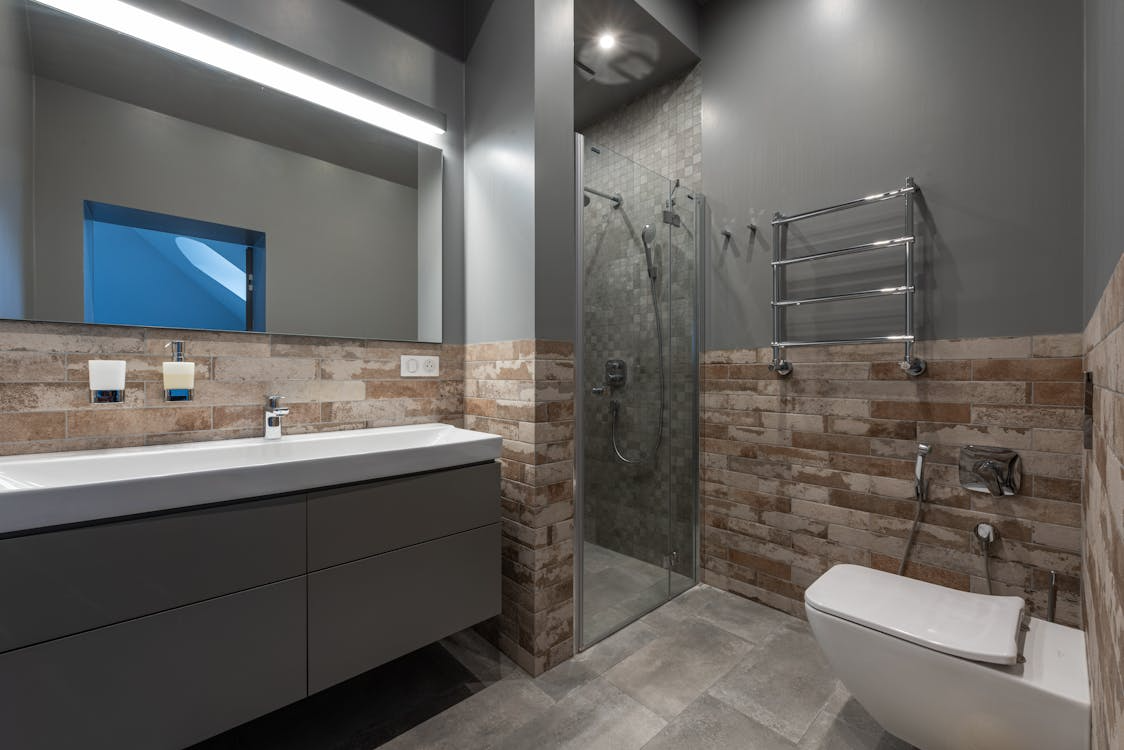
Renovating a bathroom means redoing tile, vanities, plumbing, lighting, and sometimes even layout for better flow. This also needs high-quality materials that are not easily broken down due to moisture. Usually, bathrooms are expensive to renovate even though they are small in floor area.
Cost: $2,500-$50,000
Potential buyers looking for high-end or even those who are not expect things like double sinks, walk-in showers, and modern finishes. Even on a budget, a clean, updated bathroom with good lighting and fixtures adds value.
d. Bedroom Renovation
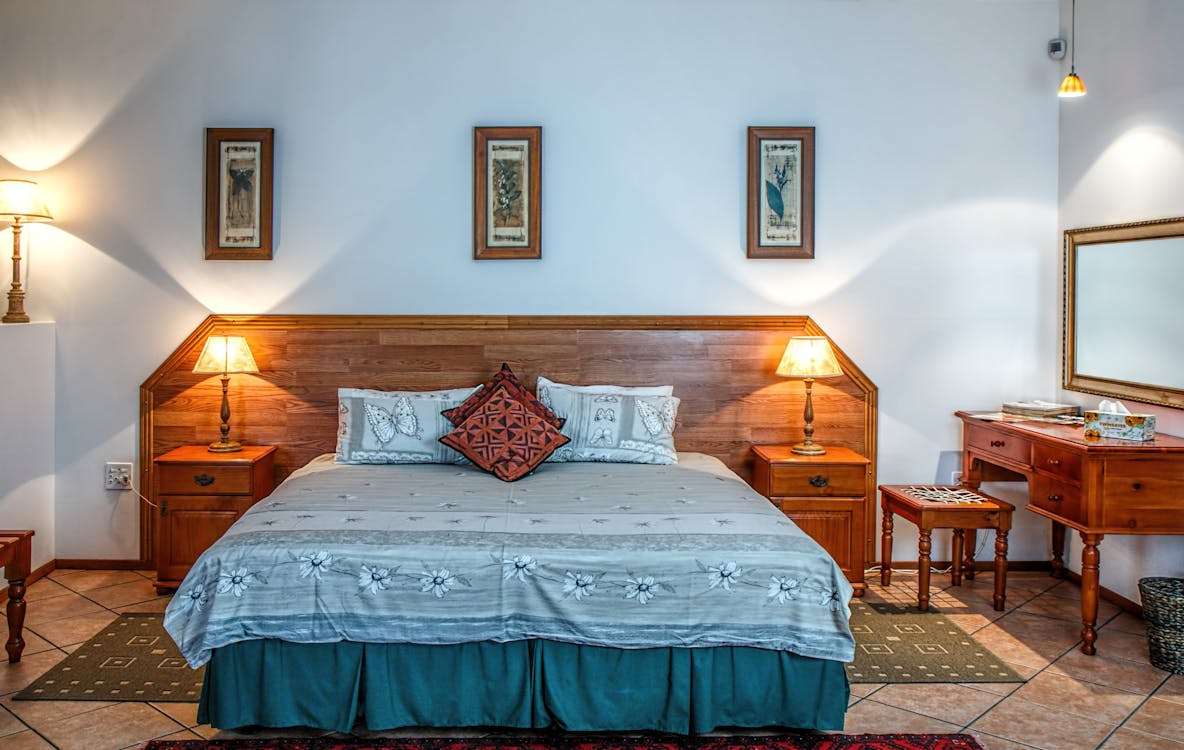
Bedroom renovations are usually simpler. They may include painting, replacing flooring, lighting upgrades, or adding closet space. These updates help improve comfort but don’t usually require structural changes.
Cost: $1,500-$40,000 per room.
Carpet quality can make a big impression. Plush carpet with a thick pad feels more high-end than thin, scratchy flooring. It’s a detail that buyers will definitely notice when walking through the home.
e. Garage Renovation
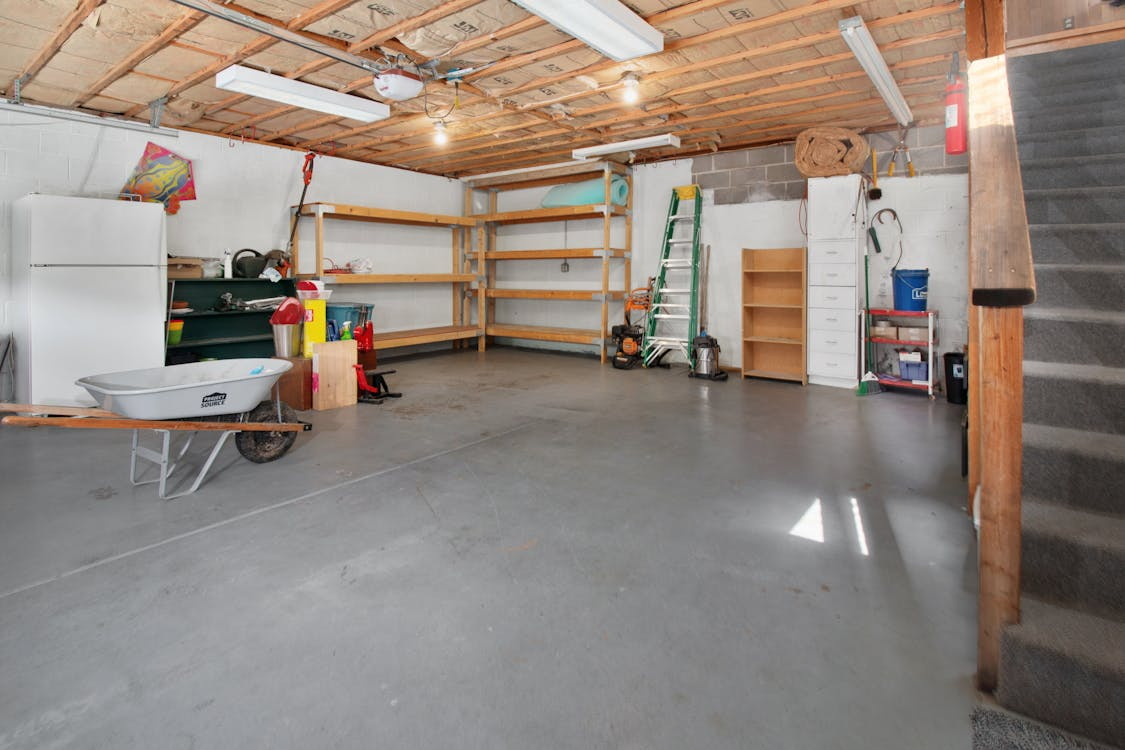
Garages are often forgotten in renovation plans, but they offer great potential. Renovations here might involve insulation, upgraded flooring, storage systems, cabinets, and even smart garage doors.
Cost: $3,000–$75,000.
A clean, organized garage is a bonus for buyers, especially when it's been upgraded to match the quality of the home. It shows that the homeowner didn’t cut corners—even in utility spaces.
f. Exterior Renovation
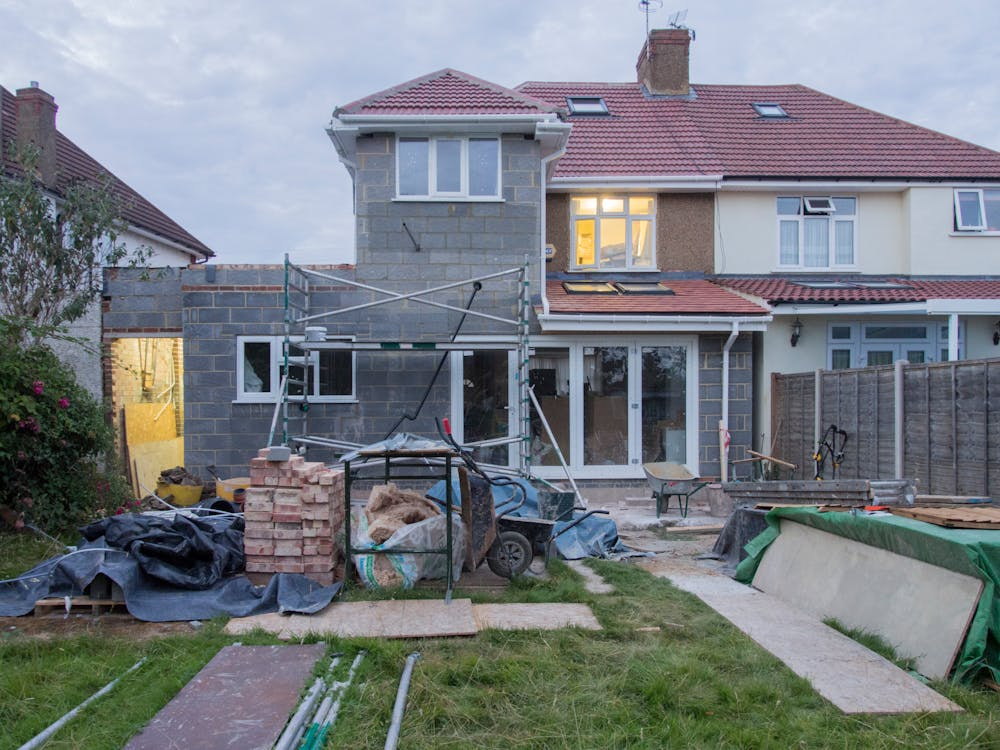
Your home’s exterior is the first thing people see. Renovations might include new siding, roofing, windows, paint, or landscaping. These upgrades can dramatically improve curb appeal.
Cost: $5,000–$100,000 depending on the size of the property.
In higher-value areas, first impressions matter. A well-kept exterior can set expectations for what’s inside—and make the whole home feel more valuable.
What Impacts Home Renovation Costs?
Labor and Materials
Since there is a 60% jump in costs from 2020, then it is not going to be cheap unless you can do it yourself, of course; then you can truly save money. With the ever-increasing materials costs and labor, you need to compare prices and costs from different sources.
Home Size and Layout
As mentioned earlier, the bigger the house, the higher the expected costs are, especially if you want complex layouts that need more than average expertise of labor. If you want to save money, avoid involving plumbing and electricals in your plans.
Quality of Materials
The materials you choose make a big difference, not just in price but in how buyers will view the home later. For example:
- Hollow core doors may save money now, but buyers often notice and wonder what else was done cheaply.
- Lighting and plumbing fixtures in basic finishes can make an expensive home feel unfinished.
- Countertop materials like Formica vs. granite or quartz tell buyers whether you invested in lasting quality.
Which is why it is not recommended to cut corners especially if the reason you want to renovate or remodel is to add more value to the house.
Location and Neighborhood Expectations
Your home’s location also plays a big role. In areas with lake homes or high-end developments, buyers expect a certain standard. Spending $500,000+ on a home and walking into a space with budget materials may cause hesitation. On the other hand, in more modest neighborhoods, practical upgrades might be perfectly acceptable—and even expected.
You should always consider the things around the house or area. Observe the neighborhood’s price range and buyer expectations. Because a $1 million home with basic laminate flooring or cheap fixtures will definitely be a red flag.
Smart Ways to Save Without Sacrificing Quality
Expensive is definitely not correlational to quality. You can certainly achieve quality results if only you know where to look for them. And to do this is to just be as curious and eager as possible. Ask questions and do research.
Focus on Buyer-Facing Finishes
Again, buyers notice the details. Hollow core doors, laminate countertops, or basic lighting fixtures are definitely not quality materials, and almost immediately potential buyers will feel off. So, even if you’re trying to cut costs, always make sure that the labor is top-notch and the quality of materials you use as well, all the while acquiring them cheap. That includes cabinet hardware, doors, faucets, and flooring.
Prioritize Kitchens and Bathrooms
Kitchens and bathrooms carry most of the weight when buyers are deciding to buy a house. They can easily change the look of bedrooms and other common areas, but these two require expertise, so having them already appealing is a plus.
Choose Mid-Range Materials That Look High-End
Not everything has to be luxury. Today’s mid-range materials can still offer great durability and a high-end look. For example, engineered quartz can give the appearance of granite without the premium price, and engineered hardwood can mimic solid wood floors beautifully at a lower cost.
Shop Smart
Take as much time as you can for this because rushing this step will likely end up in failure. Look for sales, overstock stores, or lightly used fixtures from remodel supply centers. You can often find vanities, cabinets, or lighting for a fraction of the retail price, without compromising on style.
Final Thoughts: Plan With Resale in Mind
Always consider the resale value when renovating or remodelling, even if you are not in the position to sell. Because the ideal of them is to make the house better, and if the house is in better condition, then definitely the price will go up. Even higher when it looks amazing.
Buyers looking in the $300k to $1M+ price range, if these are homes with views, besides a lake, or in a prime location, they come with higher expectations. Expect that they will have a trained eye for these types of changes in your house. Even a quick glance will immediately give them the impression of whether it’s built cheap or of quality.
You definitely need to spend a lot when it comes to remodelling or renovation especially if you took time to knowo the price ranges of the materials and labor you need. Remember, not everything expensive is good and long lasting. Sometimes, the materials that are worth it and will last longer and most especially cheaper, is something you really need to put in time in looking for them. Focus only of what the buyers value most such as a beautiful kitchen and nice bathroom.
10. FAQs
How much should I allocate for a renovation?
You should aim to budget around $15-$60.
What’s the most expensive part of remodelling a house?
The bathroom and kitchen because they usually include plumbing and removing walls.
Is it cheaper to renovate or remodel?
Renovating is cheaper because it is less extensive than remodelling.
What should I fix first in an old house?
The structural issues must be prioritized before moving on to plumbing, electrical, and lastly the cosmetics.
Recent Blog

When a Real Estate Deal Falls Through: Common Breach of Contract Scenarios Explained
A breach of contract happens when someone backs out of a real estate deal, or fails to do something they agreed to do, without a legal reason to do so.
Read MoreWhen a Real Estate Deal Falls Through: Common Breach of Contract Scenarios Explained
Final Walkthrough Checklist: What Buyers Need to Check Before Closing
The last time you, as the buyer, get to walk through the home before it's officially yours. It usually happens within 24 to 48 hours of closing
Read MoreFinal Walkthrough Checklist: What Buyers Need to Check Before Closing
Why Are Some Homes More Expensive in the Same Area?
The reasons usually come down to exact location, views, lot details, and property condition. In places where the local market is shaped by something special, like a lake, those differences can be even bigger than usual.
Read MoreWhy Are Some Homes More Expensive in the Same Area?
How to Win a Bidding War Without Overpaying: Escalation Clauses
An escalation clause is basically an automatic bidding tool for your home offer.
Read MoreHow to Win a Bidding War Without Overpaying: Escalation Clauses
Can I Buy a House With Bad Credit? Here's What You Need to Know
The good news is that bad credit doesn't automatically shut the door on homeownership, it just means you'll likely need to take a slightly different path to get there.
Read MoreCan I Buy a House With Bad Credit? Here's What You Need to Know
Do You Have to Sign a Buyer Broker Agreement in Iowa?
Yes, it is. Since July 1, 2024, Iowa law has required buyers to sign a written agreement with their real estate agent before that agent shows them a property.
Read MoreDo You Have to Sign a Buyer Broker Agreement in Iowa?
Can I Buy or Make an Offer on a House Without Earnest Money?
If you're putting together an offer on a house and wondering whether you can skip the earnest money, the short answer is yes, technically. There's no law that says you have to include it. But in practice, an offer without earnest money is almost always turned down.
Read MoreCan I Buy or Make an Offer on a House Without Earnest Money?
Average Realtor Commission in Iowa: What Sellers and Buyers Should Know in 2026
You can expect to pay somewhere in the range of 5.7% to 5.9% of your home's sale price in total realtor commission.
Read MoreAverage Realtor Commission in Iowa: What Sellers and Buyers Should Know in 2026
How to Make an Offer on a House: A Step-by-Step Guide
Making an offer on a house involves submitting a written proposal that includes your price and purchase terms for the seller to review.
Read MoreHow to Make an Offer on a House: A Step-by-Step Guide
Can I Back Out From a Purchase Agreement?
Yes, you can back out from a purchase agreement, but what happens next depends on where you are in the process.
Read MoreCan I Back Out From a Purchase Agreement?
Are Homes Usually Inspected Before Listing?
No, homes are not usually inspected before listing. In most real estate transactions, the home inspection takes place after a buyer submits an offer and the seller accepts it. At that point, the buyer typically hires a professional inspector to evaluate the property's condition and identify any issues that may affect the purchase.
Read MoreAre Homes Usually Inspected Before Listing?
Can I Make an Offer Without a Real Estate Agent in Iowa?
The answer is yes, you can make an offer on a house without a real estate agent in Iowa. While many buyers choose to work with an agent during the home buying process, state law does not require you to have one when submitting an offer. This means you can represent yourself and communicate directly with the seller or the seller's representative if you decide to do so.
Read MoreCan I Make an Offer Without a Real Estate Agent in Iowa?