What Is an Appraisal? Getting the Real Value of Your Property

What Is an Appraisal? Getting the Real Value of Your Property
What Is an Appraisal?
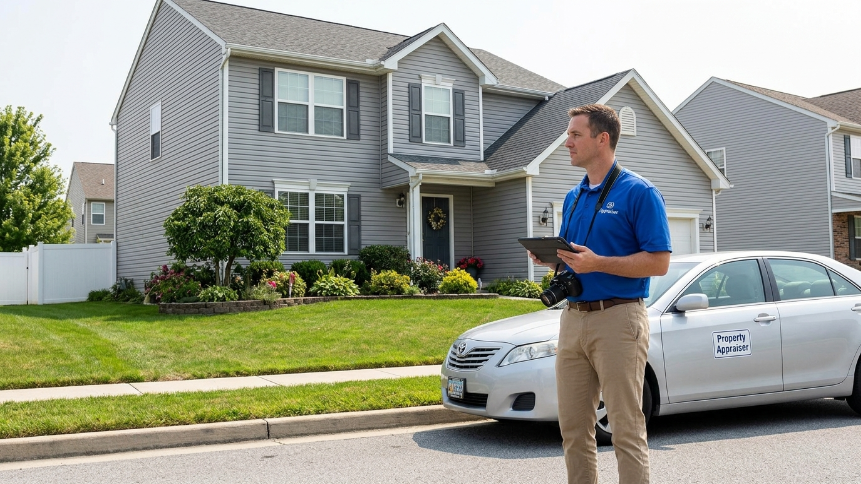
An appraisal is a professional assessment of a property or asset to determine its actual value. In real estate, the market value of the property is determined by basing it on its condition, size, location, and other sales in the same area with the same description.
An appraisal whether it is in real estate or not, is meant to be “unbiased” or neutral, meaning it is not influenced by relationships such as the appraiser favoring the seller or the buyer more since the goal is to give the fairest and most accurate value of the property based on facts available and market data.
Appraisals are a common part of many real estate transactions. They are often used during the home buying process when a lender wants to confirm the property is worth the amount being borrowed. They can also be used when selling a home since determining the price you want is going to need evidence or justification of your price.
Why Appraisals Matter in a Home Purchase
For the Buyer:
It assures them that the price is the correct amount, which keeps them from paying too much or borrowing more than a home is actually worth.
For the Seller:
Sellers do not usually have an appraisal yet when listing their homes, and they will usually price their homes based on the market value, and they also ask their listing agent for help to do a CMA, or comparative market analysis. They do this by looking at similar homes sold recently. However, they are not barred from having an appraisal before the lender does. Which will give them assurance that they have priced their property correctly, leaving no room for doubts and a smoother transaction.
Why Do Lenders Require an Appraisal?
When a buyer purchases a house on a mortgage, the lender will always order an appraisal, and this will be conducted by a licensed appraiser of their choosing. The reason for this is they want to make sure they know the right amount of the property to avoid lending more to the borrower. The house also acts as collateral; when in the future the borrower is not able to pay any more, they can sell the property without taking too many losses.
What an Appraiser Looks At When Conducting Appraisals
- Size - This is the floor area of the house, and it increases the more floors your house has.
- Condition - Overall state of the property; if it is still in good shape or not anymore. This includes visible issues such as cracks on walls or roof damage. Deferred maintenance as well such as HVAC or plumbing.
- Bedrooms and Bathrooms - The more bedrooms and bathrooms, the more expensive the house gets, especially when they are well designed.
- Upgrades and Renovations - Updated functionality or features inside a home are sought after by buyers. These can be heated driveways, retractable fridge slots, space-saving built-in cabinetry, or under-stair storage.
- Lot Size - This is the land area of your property. Different from size because this includes the front yard and the back yard of the property. The larger the lot size, the more expensive it gets.
- Location - Quiet neighborhood near hospitals, parks, and other amenities also increases property value. And also a location with easier commute.
- Comparable Sales (Comps) - Recently sold homes that are similar in size, condition, and location.
- Market Conditions - Current trends in supply, demand, and how quickly homes are selling in the area.
Who Pays for the Appraisal?
The buyer pays for the appraisal as part of the closing costs, and it is considered one of the closing costs the buyer takes on to secure a mortgage from their lender. The fee is not universal; it varies depending on which state you are in and the size and complexity of the property, but it is around the range of a reasonable price. As a context, according to Zillow the average cost of appraisals is between $300 and $600.
Appraisal vs. Home Inspection: What’s the Difference?
A home inspection focuses on the condition of the property or what is wrong with it. The inspector (who is different from an appraiser) looks at the potential safety issues, repairs, and maintenance concerns that might be detrimental for the new owner’s safety. This effectively draws out any issues that exists before the buyer commits to buying. To simplify, here is the difference between the two:
- Appraisal = value
- Inspection = condition
Here’s a simple comparison:
| Feature | Appraisal | Home Inspection |
|---|---|---|
| Purpose | Determines the home’s current market value | Checks the home’s condition and identifies potential problems |
| Who Orders It | Usually the lender | Usually the buyer |
| Who Performs It | Licensed appraiser | Licensed home inspector |
| Focus | Market value based on size, location, upgrades, and comparable sales | Safety, repairs, defects, and needed maintenance |
| Outcome | Appraisal report with estimated value | Inspection report with recommended repairs and safety notes |
| Effect on Sale | Affects how much the lender will approve | Helps buyer decide whether to proceed or negotiate repairs |
What Happens If the Appraisal Comes in Higher or Lower Than the Purchase Price?
Higher than Purchase Price:
If the appraisal is higher, the home is worth more than the agreed price. The lender still bases the loan on the lower one, which is the purchase price, and when this happens, this creates “instant equity” for the buyer, but this does not reduce your monthly payments or initial down payment. Should you decide to refinance or apply for a home loan, the instant equity comes handy.
Lower than Purchase Price:
A low appraisal means the home is valued below the agreed price. The lender may not approve the full loan, and the deal may need renegotiation between the buyer and seller.
Options After a Low Appraisal
- Renegotiate and find a middle ground
- Buyer pays the difference in cash
- Seller lowers the price
- Both parties split the difference
- Buyer challenges the appraisal
- Buyer walks away using the appraisal contingency
The usual option that people would choose would be to negotiate and find a middle ground.
Fact: An appraisal contingency is a provision or clause in a real estate purchase contract that allows the buyer to walk away without losing their earnest money or renegotiate should the home or property appraise lower or higher than the purchase price.
Can a Home Appraisal Be Wrong?
Appraisals are usually accurate and reflect a licensed professional’s opinion, but they are not perfect. If an appraisal seems off, there are situations where it can be challenged.
When an Appraisal May Be Challenged:
- Missing upgrades that weren’t included.
- Bad comparable sales that aren’t truly similar.
- Incorrect square footage or features.
- Overlooked local market details like neighborhood changes or trends.
Buyers can request a reconsideration of value with the lender if there’s strong evidence. This may lead to an updated appraisal that better reflects the home’s true market worth.
How Long Does an Appraisal Take?
The home appraisal takes 1 to 2 weeks on average. That includes the time to schedule the appraisal, which takes an average of 2-7 days because there is a high chance there are others who have been scheduled before you. The actual inspection only lasts about 30 minutes to 2 hours maximum, depending on the size of your property. The report would then be finished in around 2-14 days depending as well on how many lenders are having their appraisals for the same company.
How Long Is an Appraisal Good For?
A home appraisal reflects the value of the property at the time it was conducted, which means the value does not last forever, nor does the appraisal. Lenders consider an appraisal to be valid for 60 to 120 days depending on the loan type. Although it is tied up directly to the duration of the closing of a house, in other words, it is only valid for one transaction at a time. When another buyer comes in if the deal fails, their lender orders another appraisal anyway.
Most homes close around 30 to 45 days on average, and the reason is not every transaction falls within the said timeline. Some delays are caused by title issues, required repairs, financing complications, or renegotiations by the buyer and seller. The extended window is when the transaction lasts beyond the average closing time; the lender does not have to order another appraisal.
The validity also makes sense because the market shifts in a short period of time due to interest rates, inventory, and buyer demand.
What Can Lower a Home Appraisal?
Several factors can cause a home appraisal to come in lower than expected.
- Deferred Maintenance: Peeling paint, damaged flooring and outdated systems are signs of neglect. Neglect means a lower value.
- Needed Repairs: Structural issues is a major issue that can be dangerous to the new home owner. Plumbing or electrical problem comes second. Roof damage as well can cause a negative impact.
- Poor Comparable Sales Nearby: Appraisers rely heavily on recent sales of similar homes, called comps. If similar properties are sold at lower prices, then the value is also influenced.
- Market Shifts: Market crashes will greatly affect the values of homes. Demand and housing interests as well.
- Unpermitted Additions: Additions or renovations made without proper permits can negatively affect value. Appraisers may discount these areas because they aren’t officially recognized as legal or safe improvements.
- Location-Related Issues: Less desirable locations, such as near a highway, where loud vehicle exhausts or noises cause disturbance. Too far from hospitals, schools or parks. And even scarce access to transportation lowers value.
- Overpricing Based on Emotion Instead of Data: Sellers, especially first-timers, price their homes a little too high for their actual value and this is because they let their emotions decide thinking they can earn a huge profit margin out of the transaction.
Is an Appraisal Required for Every Home Sale?
No. For cash buyers, an appraisal may not be necessary. Since there is no lender involved, the buyer can decide whether they want an appraisal to confirm the home’s value or rely on other research. Some buyers still choose to get one for peace of mind.
The appraisal is only required when financing is involved because lenders want to be sure what the actual value of the property is.
Can You Buy a House Without an Appraisal?
Some loan programs allow appraisal waivers in limited situations. For example, the buyer has a strong credit profile, makes a substantial down payment, the property has been recently appraised, when lenders want the process to be more efficient.
Find Your Place by the Water
Wake up to lake views, enjoy peaceful sunsets, and live the lifestyle you’ve always imagined. Explore beautiful homes that capture the spirit of the lakefront dream.
View Our Lakefront ListingsRecent Blog

When a Real Estate Deal Falls Through: Common Breach of Contract Scenarios Explained
A breach of contract happens when someone backs out of a real estate deal, or fails to do something they agreed to do, without a legal reason to do so.
Read MoreWhen a Real Estate Deal Falls Through: Common Breach of Contract Scenarios Explained
Final Walkthrough Checklist: What Buyers Need to Check Before Closing
The last time you, as the buyer, get to walk through the home before it's officially yours. It usually happens within 24 to 48 hours of closing
Read MoreFinal Walkthrough Checklist: What Buyers Need to Check Before Closing
Why Are Some Homes More Expensive in the Same Area?
The reasons usually come down to exact location, views, lot details, and property condition. In places where the local market is shaped by something special, like a lake, those differences can be even bigger than usual.
Read MoreWhy Are Some Homes More Expensive in the Same Area?
How to Win a Bidding War Without Overpaying: Escalation Clauses
An escalation clause is basically an automatic bidding tool for your home offer.
Read MoreHow to Win a Bidding War Without Overpaying: Escalation Clauses
Can I Buy a House With Bad Credit? Here's What You Need to Know
The good news is that bad credit doesn't automatically shut the door on homeownership, it just means you'll likely need to take a slightly different path to get there.
Read MoreCan I Buy a House With Bad Credit? Here's What You Need to Know
Do You Have to Sign a Buyer Broker Agreement in Iowa?
Yes, it is. Since July 1, 2024, Iowa law has required buyers to sign a written agreement with their real estate agent before that agent shows them a property.
Read MoreDo You Have to Sign a Buyer Broker Agreement in Iowa?
Can I Buy or Make an Offer on a House Without Earnest Money?
If you're putting together an offer on a house and wondering whether you can skip the earnest money, the short answer is yes, technically. There's no law that says you have to include it. But in practice, an offer without earnest money is almost always turned down.
Read MoreCan I Buy or Make an Offer on a House Without Earnest Money?
Average Realtor Commission in Iowa: What Sellers and Buyers Should Know in 2026
You can expect to pay somewhere in the range of 5.7% to 5.9% of your home's sale price in total realtor commission.
Read MoreAverage Realtor Commission in Iowa: What Sellers and Buyers Should Know in 2026
How to Make an Offer on a House: A Step-by-Step Guide
Making an offer on a house involves submitting a written proposal that includes your price and purchase terms for the seller to review.
Read MoreHow to Make an Offer on a House: A Step-by-Step Guide
Can I Back Out From a Purchase Agreement?
Yes, you can back out from a purchase agreement, but what happens next depends on where you are in the process.
Read MoreCan I Back Out From a Purchase Agreement?
Are Homes Usually Inspected Before Listing?
No, homes are not usually inspected before listing. In most real estate transactions, the home inspection takes place after a buyer submits an offer and the seller accepts it. At that point, the buyer typically hires a professional inspector to evaluate the property's condition and identify any issues that may affect the purchase.
Read MoreAre Homes Usually Inspected Before Listing?
Can I Make an Offer Without a Real Estate Agent in Iowa?
The answer is yes, you can make an offer on a house without a real estate agent in Iowa. While many buyers choose to work with an agent during the home buying process, state law does not require you to have one when submitting an offer. This means you can represent yourself and communicate directly with the seller or the seller's representative if you decide to do so.
Read MoreCan I Make an Offer Without a Real Estate Agent in Iowa?